Letstravail
Travel planning content.
Travel planning content.
Unlock curated travel spots that inspire your next escape.
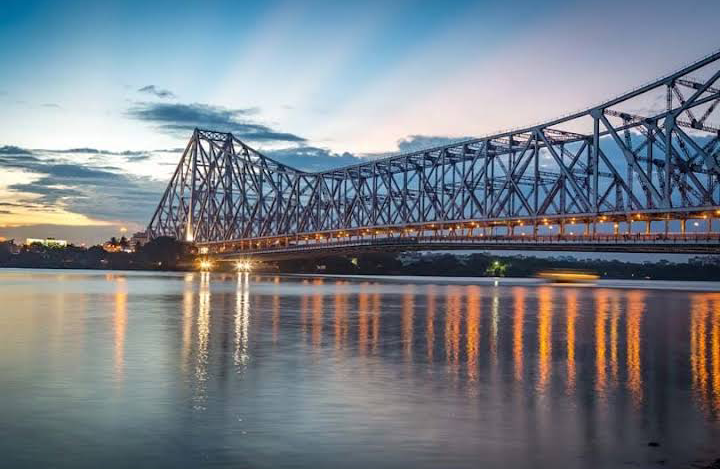
The Howrah Bridge, officially known as the Rabindra Setu, is a cantilever bridge spanning the Hooghly River in West Bengal, India. It connects the twin cities of Howrah and Kolkata (Calcutta). The bridge is one of the busiest cantilever bridges in the world and is a famous symbol of Kolkata and India.
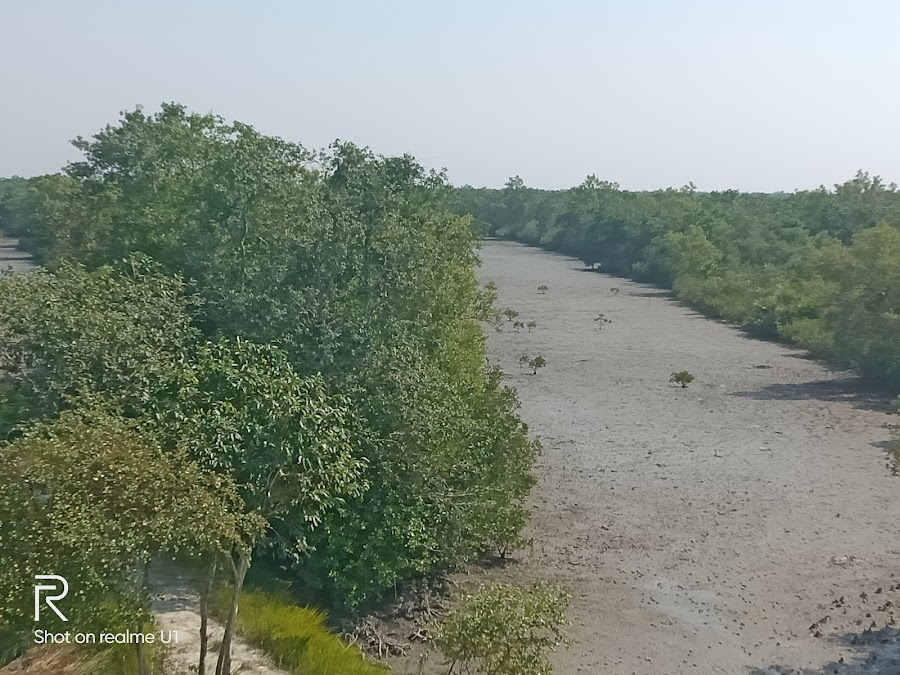
The Sunderbans National Park, a UNESCO World Heritage Site, is a mesmerizing biosphere reserve renowned for its dense mangrove forests and diverse wildlife. Located in the delta region of the Ganges, Brahmaputra, and Meghna rivers, it's one of the largest mangrove forests in the world. The park is famous for being the natural habitat of the Royal Bengal tiger, as well as numerous species of birds, reptiles, and invertebrates. Boat safaris are the primary way to explore the park, offering visitors a chance to witness the unique ecosystem and spot elusive wildlife. Prepare to be captivated by the serene beauty and untamed wilderness of this extraordinary natural wonder. Permits are required to enter the park, and guided tours are highly recommended for a safe and enriching experience.
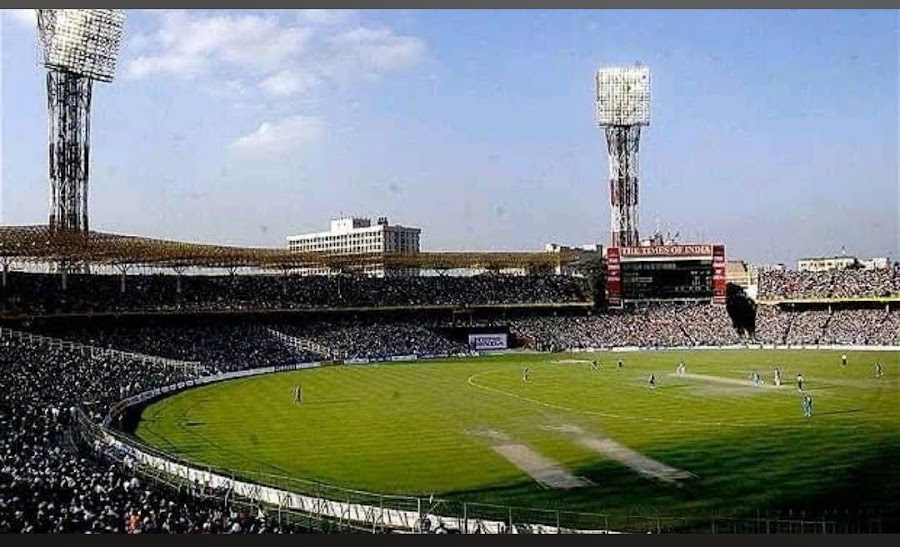
Eden Gardens is a historic cricket ground in Kolkata, India, renowned for its electrifying atmosphere and passionate cricket fans. It is the oldest and largest cricket stadium in India and the second-largest in the world, capable of holding over 68,000 spectators. The stadium has witnessed numerous historic matches, including World Cup finals and iconic Test matches. Its unique character and the roar of the crowd make it a bucket-list destination for any cricket enthusiast.
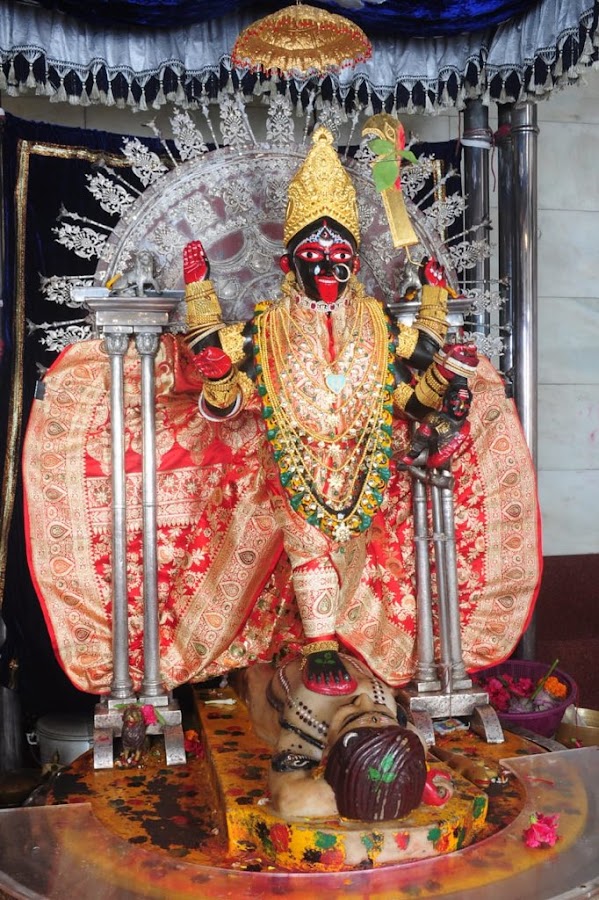
Dakshineswar Kali Temple is a prominent Hindu temple in Kolkata, India, dedicated to Goddess Kali. Situated on the eastern bank of the Hooghly River, the temple's iconic nine-spired structure and serene ambiance attract devotees and tourists alike. The main shrine houses the divine image of Goddess Kali, standing on Lord Shiva, adorned with intricate jewelry and a benevolent expression.
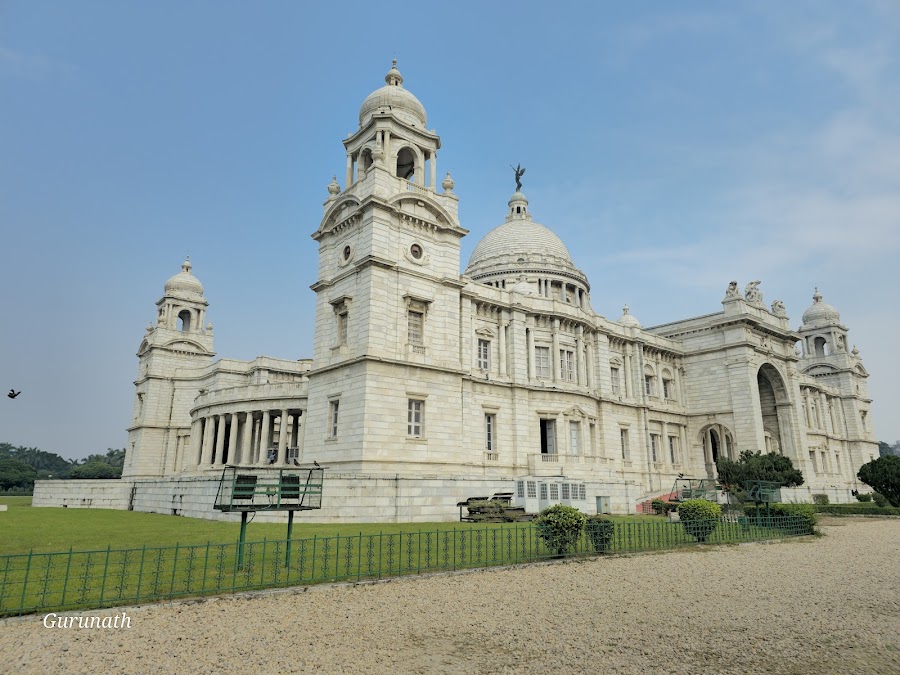
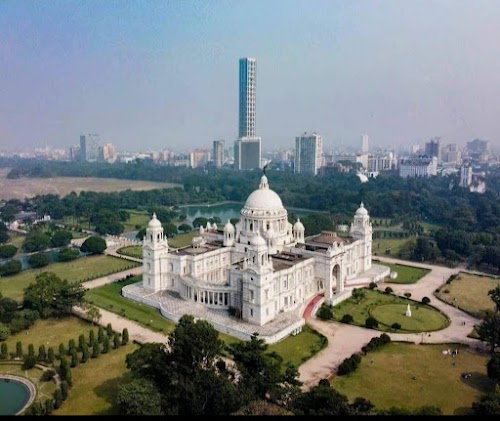
The Victoria Memorial is a grand marble edifice in Kolkata, India, dedicated to Queen Victoria. It serves as a prominent museum and tourist destination, showcasing a vast collection of British-era artifacts, paintings, sculptures, and manuscripts. Visitors can explore its opulent halls, galleries, and gardens, immersing themselves in the grandeur of colonial history and art.
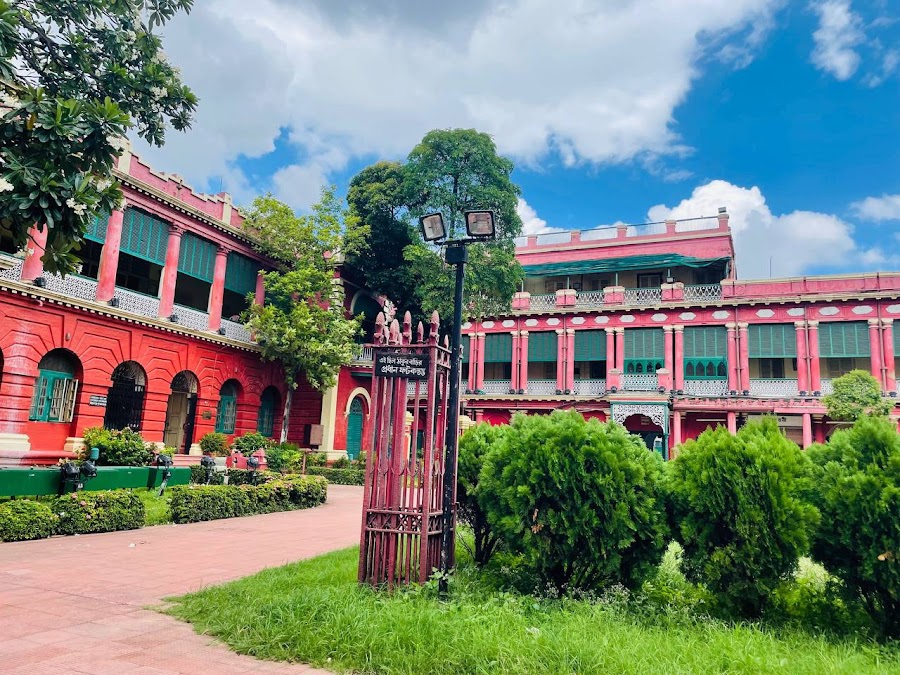
Jorasanko Thakurbari, located in the heart of Kolkata, is the ancestral home of the Nobel laureate Rabindranath Tagore. It is now a museum dedicated to his life and works, showcasing his literary genius, artistic talent, and profound impact on Bengali culture. Visitors can explore the beautifully preserved rooms, including Tagore's study, the family prayer hall, and the courtyard where he held cultural gatherings. The museum also houses a rich collection of Tagore's manuscripts, paintings, letters, and personal belongings, providing a glimpse into the mind of this extraordinary personality.
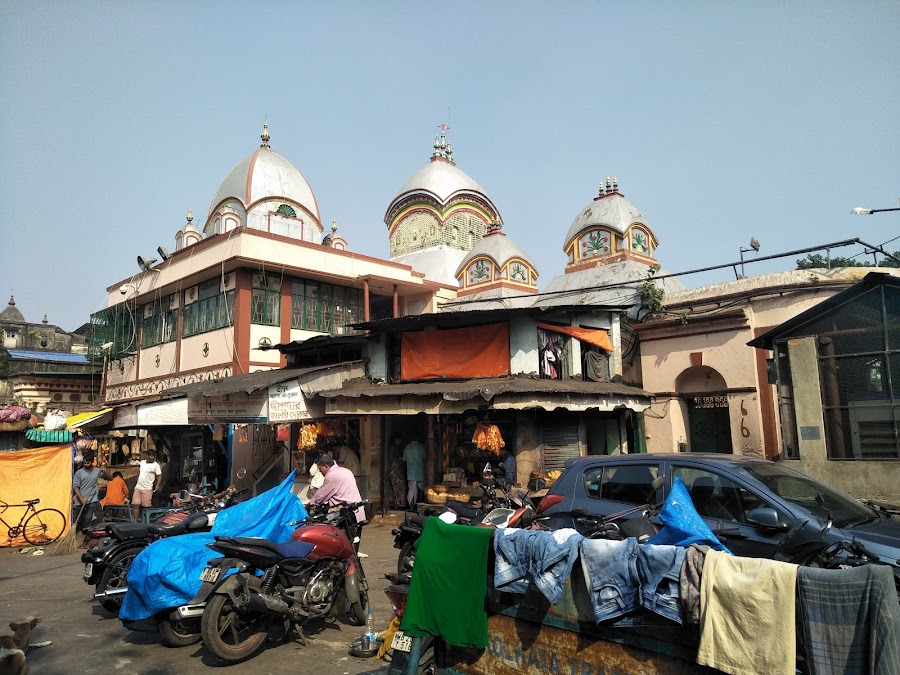
Kalighat Kali Temple is one of the most revered Hindu temples in India, dedicated to the goddess Kali. Located on the banks of the Adi Ganga in Kolkata, it is considered one of the 51 Shakti Peethas, making it a significant pilgrimage site. The temple is known for its striking architecture, vibrant rituals, and the intense devotion of its countless devotees.
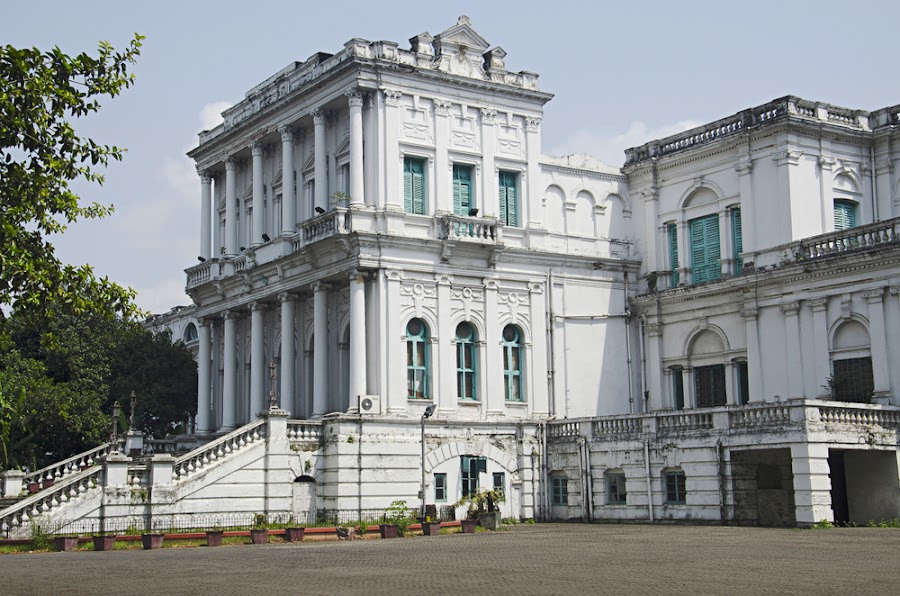
The National Library of India, located in Kolkata, is the largest library in India by volume and India's library of public record. It is one of the world's largest libraries. The library is designated to collect, disseminate and preserve printed materials produced within India. The collection comprises books, periodicals, maps, manuscripts, prints, databases and e-resources in most major Indian languages but with a bias towards English and Bengali materials. It is open to the public and accessible for educational and research purposes. The library holds a vast and diverse collection, encompassing a wide range of subjects and historical periods. Visitors can explore the various reading rooms, exhibitions, and browse the extensive catalogue. Its serene and scholarly atmosphere provides a unique opportunity to delve into India's rich intellectual heritage.
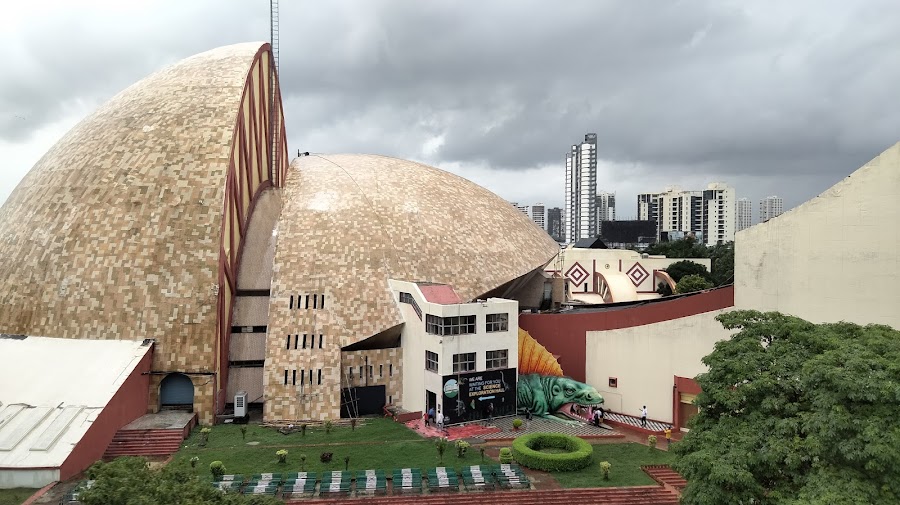
Science City, Kolkata is a sprawling science museum and learning center that offers a captivating journey through the realms of science and technology. With interactive exhibits, immersive displays, and engaging demonstrations, it caters to visitors of all ages. Explore the wonders of space, delve into the intricacies of the human body, witness thrilling scientific experiments, and expand your knowledge across various scientific disciplines. From the iconic Space Theatre to the captivating Time Machine, Science City offers an unforgettable experience that sparks curiosity and ignites a passion for science.
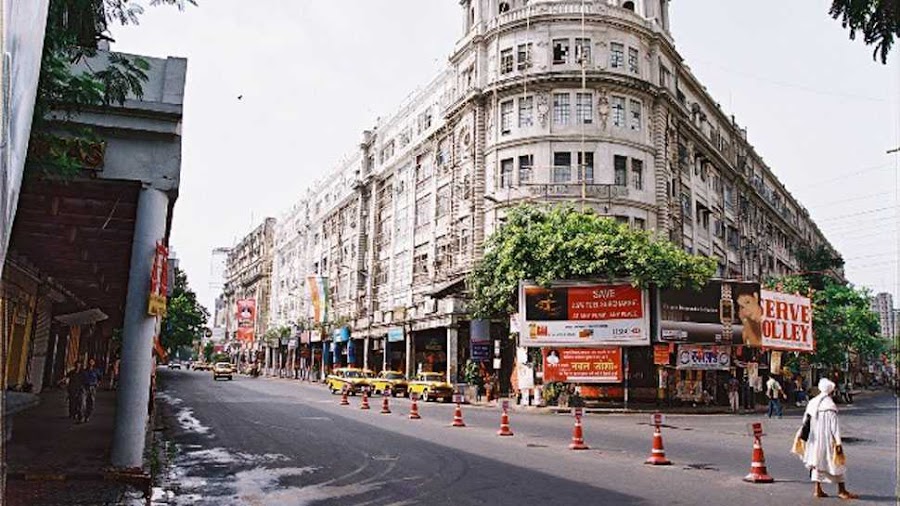
Park Street is Kolkata's vibrant heart, a bustling hub of history, culture, and entertainment. Known for its colonial architecture, upscale boutiques, and lively nightlife, it's a sensory feast. Explore iconic landmarks like the Asiatic Society and South Park Street Cemetery, savor delicious street food or dine in fine restaurants, and experience the city's energetic pulse.
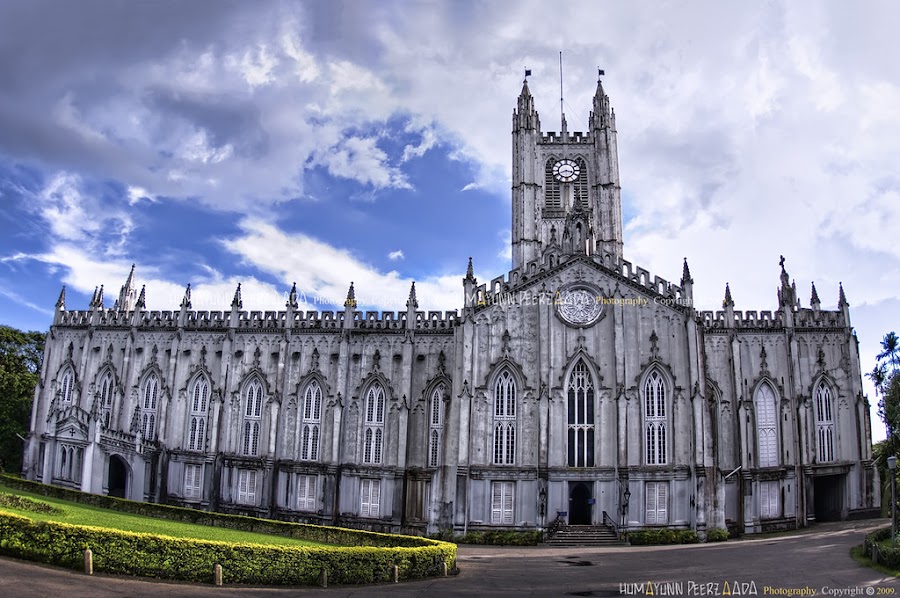
St. Paul's Cathedral is a magnificent architectural marvel located in the heart of Kolkata, India. Known for its Indo-Gothic architecture, the cathedral features stunning stained glass windows, intricate carvings, and a serene ambiance. Visitors can explore the vast interiors, admire the intricate details, and learn about its rich history. The peaceful gardens surrounding the cathedral provide a tranquil escape from the bustling city.
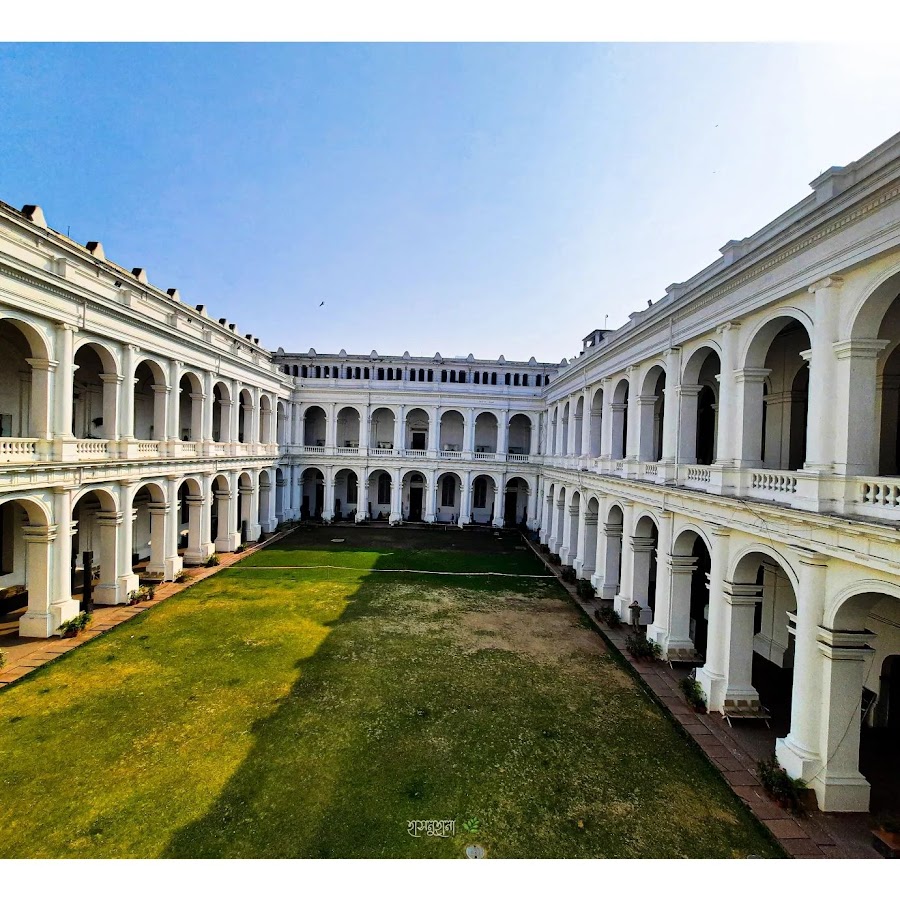
The Indian Museum is the largest and oldest museum in India and has rare collections of antiques, armour and ornaments, fossils, skeletons, mummies, and Mughal paintings. It was founded by the Asiatic Society of Bengal in Kolkata (Calcutta), India, in 1814. The founder of the Asiatic Society, Sir William Jones, stated the aim of the institution to be the collection of any information on the countries of Asia. Its original location was the Asiatic Society building in Park Street. In 1875 the Indian government allotted land for the purpose of expansion and the construction of a new building. The architectural design was chosen from those submitted by several companies. The winning entry was prepared by the company of Lockwood and Schilling. The museum has six sections comprising 35 galleries of art, archaeology, anthropology, geology, zoology and botany. The galleries are arranged on two floors around a central courtyard covered by a glass dome. The museum is especially noted for its Egyptian mummies, Ashokan edicts, and its rare collection of Buddhist and Jain sculptures from the Gandhara and Gupta periods. It also holds the largest single collection of Indian tribal artifacts anywhere in the world.