Letstravail
Travel planning content.
Travel planning content.
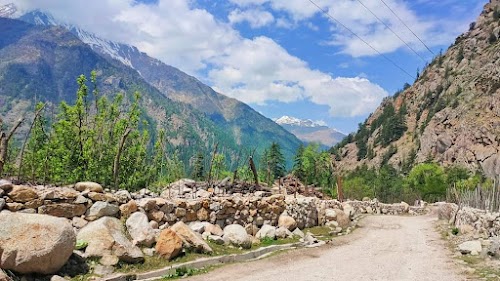
Unlock curated travel spots that inspire your next escape.
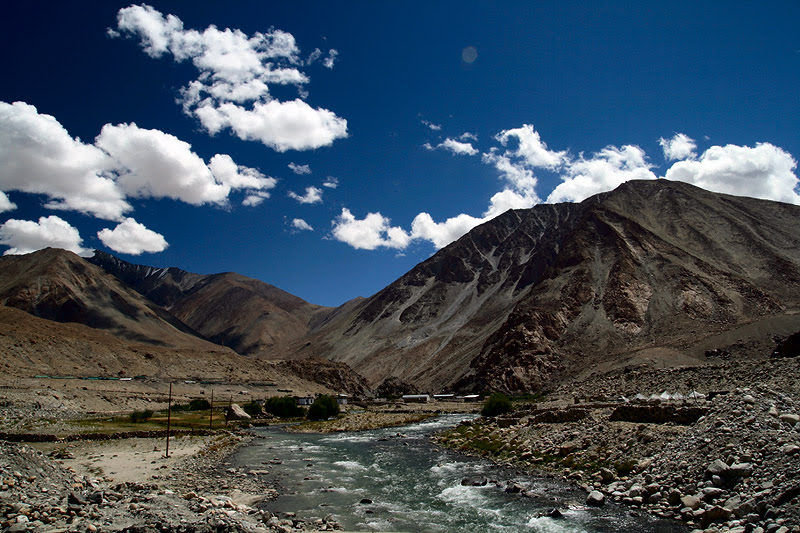
Hemis National Park, nestled in the high-altitude region of Ladakh, is a haven for wildlife enthusiasts and nature lovers. Renowned for its elusive snow leopards, it's the largest national park in India and the second-largest contiguous protected area. The park's rugged terrain, characterized by steep slopes, rocky outcrops, and riverine habitats, supports a diverse ecosystem. Trekkers are rewarded with stunning views of the Himalayas and the chance to spot rare species like the Tibetan wolf, red fox, and Himalayan marmot. Hemis Monastery, a prominent Buddhist monastery within the park, adds a cultural dimension to the experience. The park offers a unique blend of adventure, wildlife, and spiritual enrichment. Remember to obtain necessary permits and hire a local guide for a safe and enriching experience.
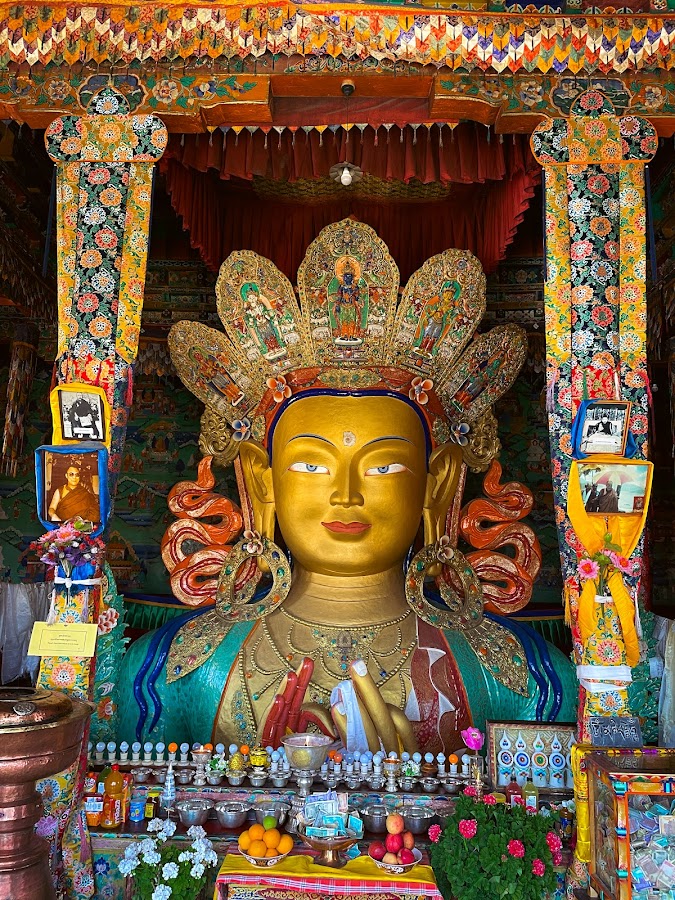
Thiksey Monastery, a prominent Tibetan Buddhist monastery, is situated on a hilltop overlooking the Indus Valley. Resembling the Potala Palace in Lhasa, its grand structure houses numerous temples, stupas, and statues. Visitors can explore the assembly hall, witness the morning prayers, and admire the impressive Maitreya Buddha statue. The monastery offers panoramic views of the surrounding landscape, making it a photographer's delight. The serene atmosphere and intricate artwork provide a glimpse into the rich cultural heritage of Ladakh.
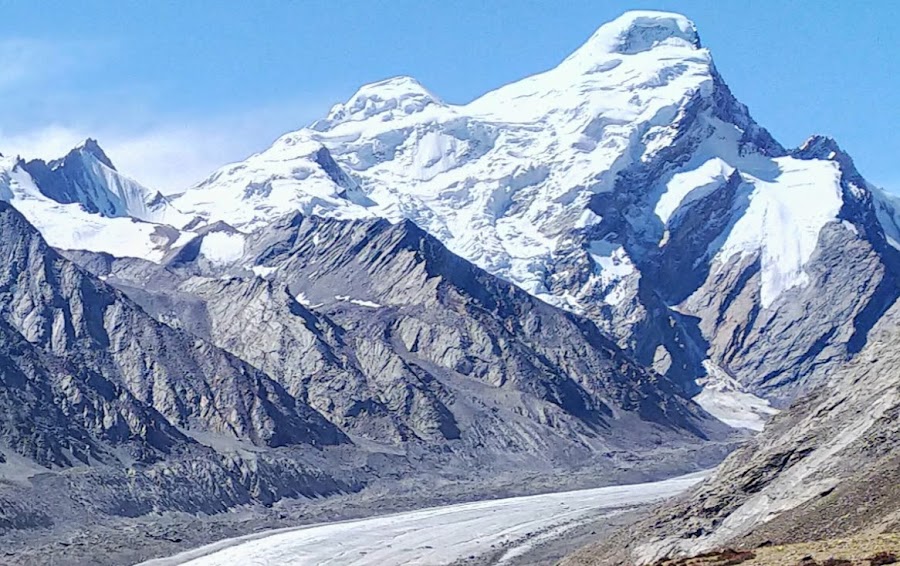
Zanskar Valley, a remote and breathtaking region in Ladakh, India, offers a unique and adventurous travel experience. Carved by the Zanskar River, the valley boasts dramatic landscapes with towering snow-capped peaks, deep gorges, and pristine glaciers. Known for its challenging treks, including the famous Chadar Trek (frozen river trek), it attracts adventure enthusiasts from around the globe. The region is also culturally rich, with ancient monasteries nestled amidst the rugged terrain, offering glimpses into Tibetan Buddhist traditions. The stark beauty and tranquility of Zanskar Valley make it an unforgettable destination for those seeking an off-the-beaten-path adventure.
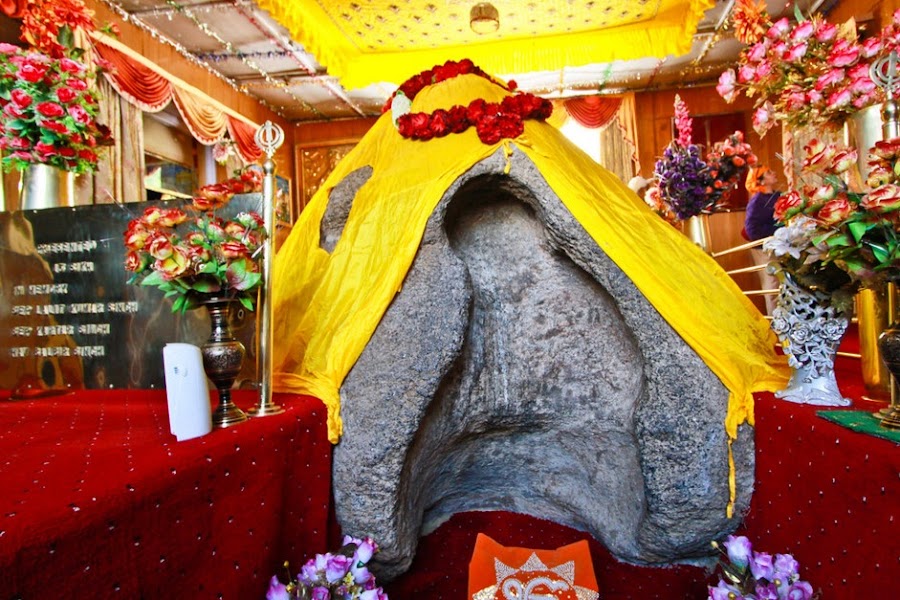
Gurudwara Pathar Sahib is a beautiful Sikh shrine located about 25 miles from Leh, Ladakh, on the Leh-Kargil road. It is revered for its association with Guru Nanak Dev, the founder of Sikhism. The Gurudwara is built around a prominent rock believed to bear the imprint of Guru Nanak's back. The serene atmosphere, coupled with the stunning backdrop of the mountainous landscape, makes it a truly special place to visit. Inside, you'll find a small museum showcasing artifacts related to Guru Nanak's journey. The langar (community kitchen) serves free meals to all visitors, adding to the welcoming and spiritual experience.
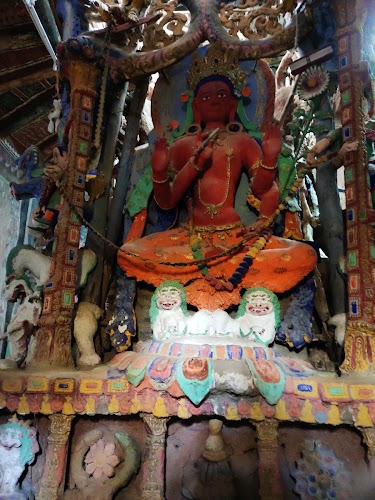
Alchi Monastery, also known as Alchi Choskor, is a Buddhist monastery located in the Alchi village of Ladakh, India. Famous for its unique and well-preserved Indo-Tibetan murals and sculptures, it is one of the oldest and most important monastic complexes in Ladakh. Unlike other monasteries in Ladakh, Alchi is situated on flat ground, not on a hilltop. The complex comprises several temples, including the Dukhang (Assembly Hall), Sumtsek, and the three-storied Jampe Lhakhang. The monastery's architecture and artwork reflect a blend of Kashmiri, Tibetan, and Indian styles, showcasing the region's rich cultural heritage.
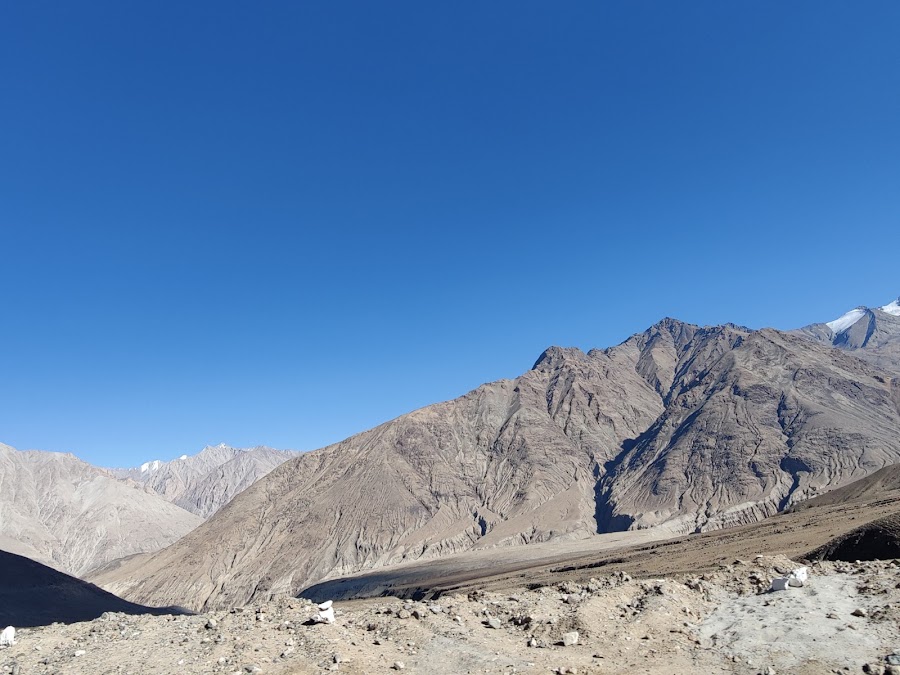
Khardung La Pass, often touted as the 'Highest Motorable Road in the World' (though this claim is disputed), is a breathtaking mountain pass in the Ladakh region of India. Situated at an altitude of around 18,380 feet (5,359 meters), it offers stunning panoramic views of the surrounding snow-capped peaks and valleys. The pass is strategically important and serves as a gateway to the Nubra and Shyok valleys. Visitors can experience the thrill of driving through challenging terrains and the stark beauty of the high-altitude desert landscape. The air is thin, so acclimatization is crucial. Prayer flags flutter in the wind, adding a spiritual touch to the rugged environment. It's a popular destination for adventure seekers and photography enthusiasts.
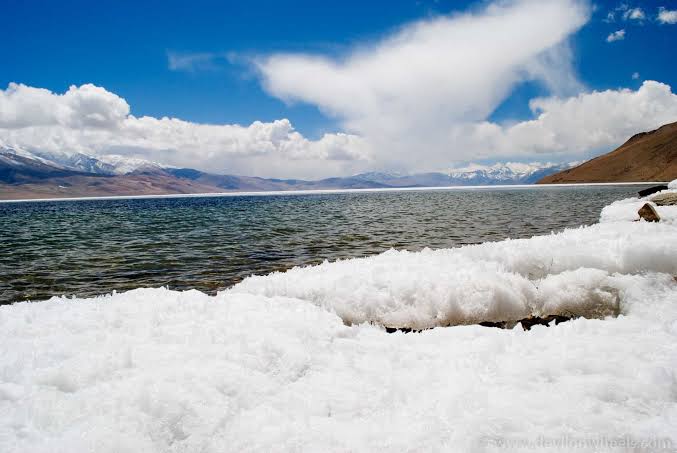
Tso Moriri, also known as Mountain Lake, is a stunning high-altitude lake located in the Changthang region of Ladakh, India. Situated at an elevation of 4,522 meters (14,836 ft), it is one of the largest high-altitude lakes in India entirely within Ladakh. The lake is known for its breathtaking beauty, with its deep blue waters reflecting the surrounding snow-capped mountains. The area is a protected wetland reserve and is home to diverse flora and fauna, including migratory birds like the bar-headed goose and Brahmin duck. Visitors can enjoy the tranquility of the lake, take a stroll along its shores, and capture its beauty in photographs. Camping near the lake is a popular activity, allowing visitors to experience the starry nights and the serene atmosphere.
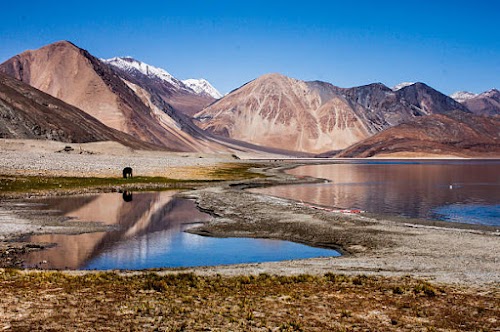
Pangong Tso, also known as Pangong Lake, is an endorheic lake spanning eastern Ladakh and western Tibet. Situated at a high altitude of about 4,350 m (14,270 ft), it is 134 km (83 mi) long and extends from India to the Tibetan Autonomous Region, China. Approximately 60% of the length of the lake lies within the Tibetan Autonomous Region. The lake is 5 km (3.1 mi) wide at its broadest point. During winter, the lake freezes completely, despite being saline water. It is not a part of the Indus river basin area and geographically a separate landlocked river basin. The name Pangong Tso is Tibetan for "high grassland lake".
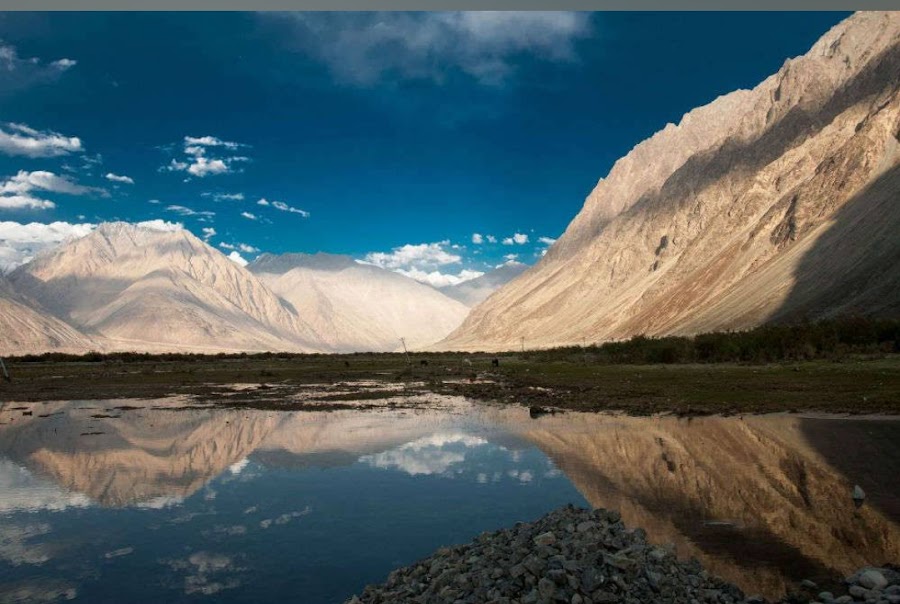
Nubra Valley, a high-altitude cold desert in Ladakh, India, is known for its breathtaking landscapes, sand dunes, and double-humped Bactrian camels. The valley is formed by the Shyok and Nubra rivers and is situated at an average altitude of 10,000 ft. Surrounded by snow-capped mountains, the valley offers stunning views and a unique experience. Diskit Monastery, with its impressive Maitreya Buddha statue, and the white sand dunes of Hunder are major attractions. The valley's stark beauty and serene atmosphere make it a must-visit for nature lovers and adventure seekers.
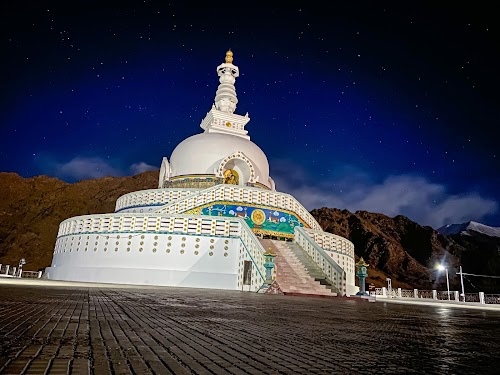
Shanti Stupa is a white-domed Buddhist monument overlooking Leh, offering panoramic views of the surrounding valley and mountains. It houses relics of the Buddha enshrined by the 14th Dalai Lama. Known for its serene atmosphere and intricate carvings, the stupa is a symbol of peace and a popular spot for meditation and reflection. Visitors can climb the stairs to the main platform, circumambulate the stupa, and admire the golden Buddha statues and colorful murals depicting his life. The peaceful ambiance and stunning vistas make it a must-visit in Leh.
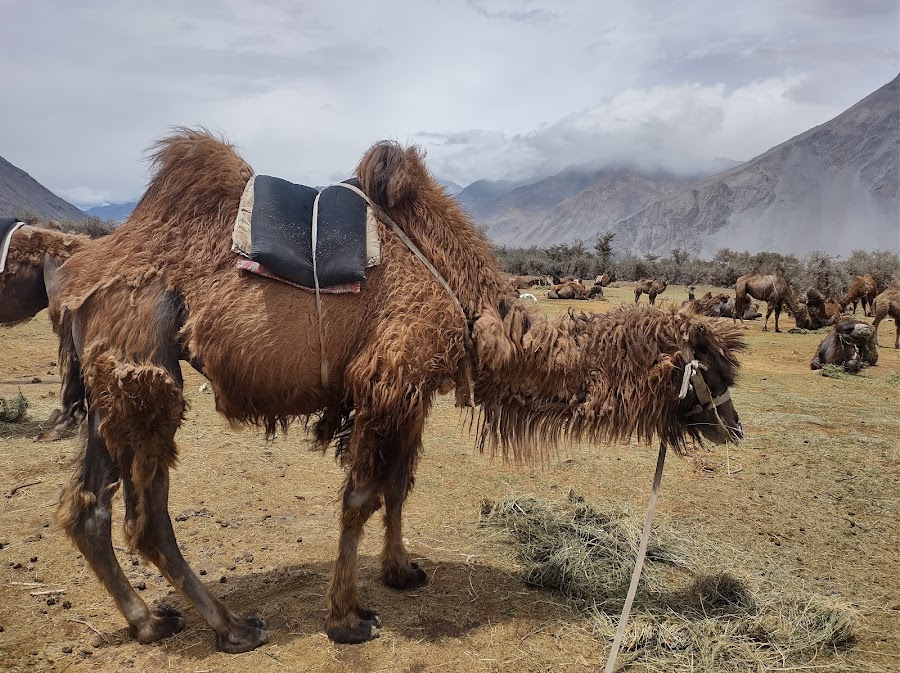
The Nubra Valley, nestled in the heart of Ladakh, is renowned for its unique inhabitants: the Bactrian camels, also known as double-humped camels. These majestic creatures, a legacy of the ancient Silk Route, offer a remarkable experience for visitors. Riding these gentle giants across the white sand dunes of Hunder is a must-do activity. The stark landscape, with its rolling sand dunes against a backdrop of snow-capped mountains, creates a surreal and unforgettable experience. Besides camel rides, Nubra Valley offers breathtaking scenery, ancient monasteries, and a glimpse into the local culture.
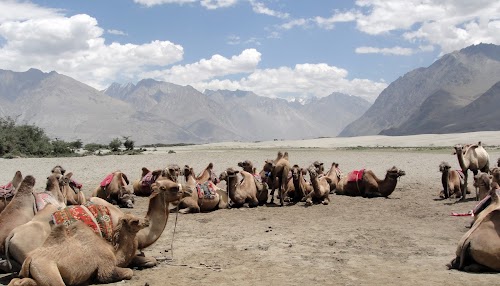
The Hunder Sand Dunes offer a unique desert landscape nestled amidst the towering Himalayas in Nubra Valley. These cold desert dunes, formed by the Shyok River, provide a striking contrast to the surrounding snow-capped peaks. Visitors can experience thrilling camel rides (double-humped Bactrian camels), enjoy breathtaking sunsets, and capture stunning photographs. The dunes are also home to diverse birdlife, making it a haven for birdwatchers. The stark beauty and serene atmosphere of Hunder create an unforgettable experience for travelers seeking adventure and tranquility in Ladakh.